nr 3 2006
Sid 9
Strindberg Museum
 
strindberg
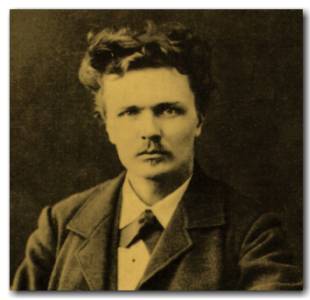
August Strindberg 1879
line

Johan August Strindberg (help·info) (January 22, 1849 – May 14, 1912) was a Swedish writer, playwright and painter. He is ranked among Sweden's most important authors. Strindberg is known as one of the fathers of modern theater. His work falls into two major literary movements, Naturalism and Expressionism.

 
"What is economics? A science invented by the upper class in order to acquire the fruits of the labor of the underclass."


wikipedia
 
line
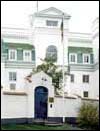
Thielska Galleriet
 
Financeman and art-lover Ernest Thiel built the white house on the highest point of Blockhusudde, Eols hill, as a home ans art gallery. The house was built in 1904 - 1907 and was designed by Ferdinand Boberg.
 
When Thiels economy turned and he went bankrupt his art collection and house was aquired by the Swedish state in 1924. The house oppened as an art gallery 2 years later.

line

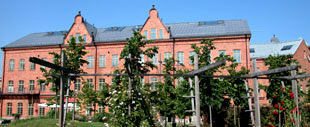
Tom Tits Experiment
 
Tom Tits house in Södertälje
 
Paradise for all kids!
 
Tom Tits Experiment is a science centre where people (read Kids) are allowed to touch and use things.
 
So get on the first train yo can to Södertälje and let the kids have som fun....
line
 
Torekällbergets Museum i Södertälje
 
While you are in Södertälje check out Torekällberget, an outdoor museum a la Skansen
 
line
Tumba Bruksmuseum
 
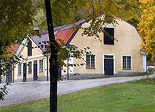
Oxhuset at Tumba bruk
 
Tumba Bruk is an old paper mill dating back to the 17th century
 
Paper is produced here for the Swedish bank for producing banknotes.
line
Vasa Museum
 
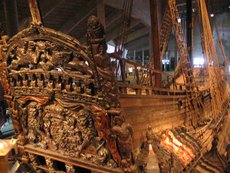
Quarterdeck of Vasa
line
 
The Vasa is the world's only surviving 17th-century ship and one of the foremost tourist sights
in the world. The ship is displayed
in a purpose-built museum in Stockholm.
 

This autumn, the royal flagship, the Vasa, will be given a new dimension - an existential dimension. In a rather different kind of exhibition the museum's visitors will be invited to get close to the people who were onboard the Vasa when it sank. New research findings provide a more in-depth picture of the people and their lives

 
In the exhibition, a number of people emerge from the past. They were all onboard the Vasa on 10th August in the year 1628. By all evidence, there were approximately 30 men, women and children who went down with the Vasa into the deep. Skeletons from at least 15 of these people have been found in the Vasa excavation. Some were found outside the ship, but Carbon-14 dating has shown that the remains are from the same time and are most likely victims of the catastrophe. None of the victims has been identified. The Vasa Museum is now presenting the skeletal findings in a carefully planned exhibit.
 
line
framåt